
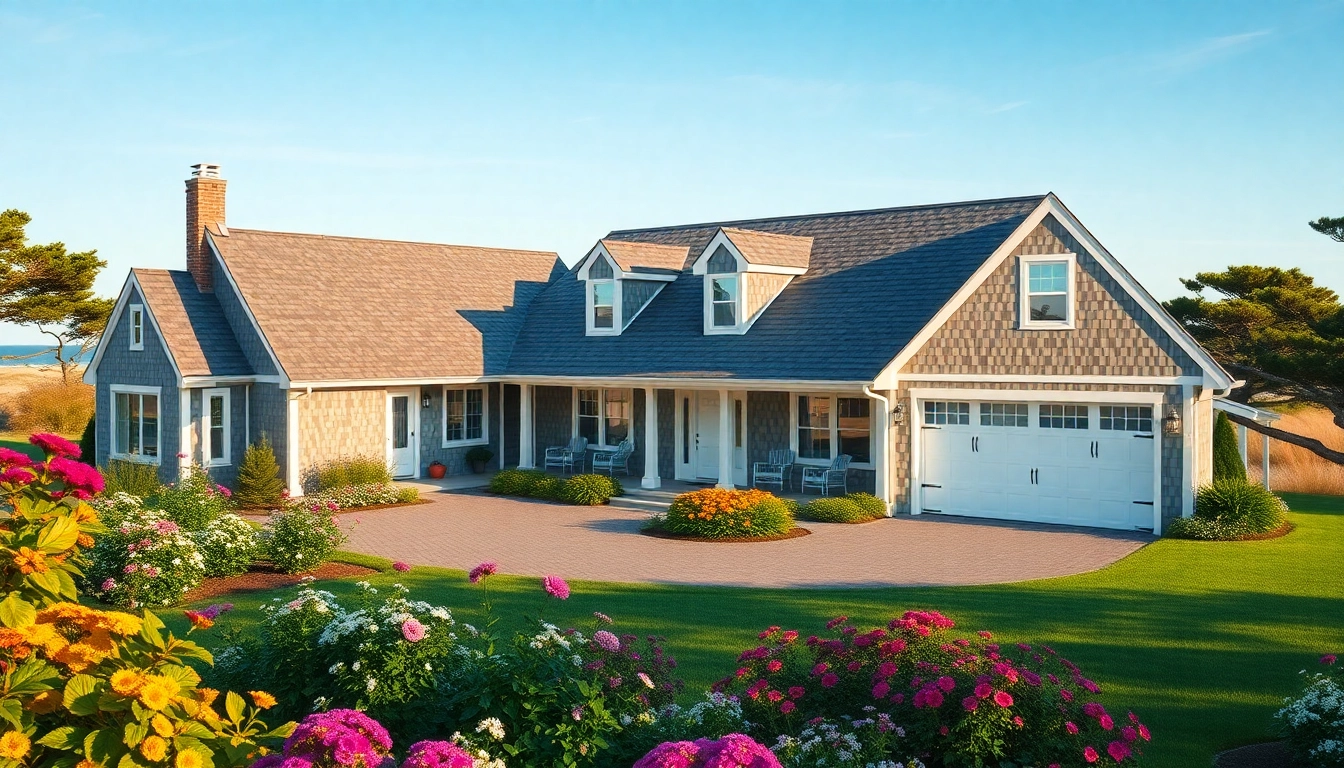
Understanding Cape Cod Homes
History and Architectural Style
Originating in New England during the 17th century, cape cod homes were designed as simple, practical dwellings for settlers. Featuring steeply pitched roofs, symmetrical facades, and dormer windows, these homes reflect the region’s colonial architecture influenced by both functional needs and the local climate. The design allowed for efficient snow runoff and provided ample attic space, which became useful for storage. Over the centuries, Cape Cod homes have evolved, often incorporating modern amenities while retaining their classic charm.
Common Features of Cape Cod Homes
Distinctive for their understated elegance, cape cod homes often showcase several key features:
- Steep Rooflines: Typically gabled, the steep pitch of the roof is crucial for managing snowfall.
- Symmetrical Layout: Most homes have a balanced appearance, with central entryways flanked by windows.
- Half-Dormers: These small, decorative gables allow natural light into the upper story while enhancing aesthetics.
- Weathered Wood Shingles: Traditionally clad in shingles stained to reflect the coastal environment, offering durability and style.
- Cozy Interiors: Often featuring open floor plans and natural materials, maximizing comfort and livability.
Benefits of Living in Cape Cod Homes
Living in a cape cod home offers numerous advantages:
- Timeless Aesthetic: The classic design suits various personal tastes and effortlessly blends with different neighborhoods.
- Energy Efficiency: The compact shape and design reduce heating costs, a significant benefit during colder months.
- Community Appeal: Many Cape Cod homes are situated in charming towns, fostering a strong sense of community.
- Customization Potential: The simple design allows for creative renovations and expansions without compromising style.
- Historical Value: Owning such a home often comes with historical significance, adding intrinsic value to the property.
Why Consider Expansions?
Increasing Home Value
Home expansions often lead to significant increases in property value. By adding square footage—whether through a room addition or an attached garage—homeowners can appeal to a larger market. This expansion enhances functionality, making the home more attractive to potential buyers who prioritize space and modern amenities.
Improving Living Space
As family dynamics change and needs evolve, more living space becomes essential. Expansion allows for the creation of multi-functional areas, such as home offices, playrooms, or guest suites. These improvements not only enhance daily living but also increase comfort and overall enjoyment of the home.
Customization Possibilities
When considering an expansion, customization becomes a key focus. Homeowners can tailor their spaces to reflect personal styles, whether through modern design elements, sustainable materials, or favorite color palettes. A customized expansion not only personalizes the space but also ensures it effectively meets the family’s unique lifestyle requirements.
Designing an Attached Garage
Types and Styles of Garages
An attached garage can take several forms, each suitable for different homeowner needs:
- Standard Garage: A traditional two-car garage, offering ample parking and storage space.
- Workshop Garage: Designed with additional space for tools and equipment, catering to hobbyists or those needing workshop areas.
- Breezeway Design: A garage connected via a covered walkway, providing separation while maintaining accessibility.
- Carriage House Style: Incorporates aesthetic elements reminiscent of historic carriage houses, perfect for maintaining architectural cohesion.
Integrating Garage with Home Design
Ensuring that an attached garage integrates seamlessly with the existing home design is vital. Here are some strategies for effective integration:
- Matching Materials: Use the same siding, roofing, and windows as the main house to create a cohesive exterior.
- Consistent Architectural Features: Incorporate elements such as brickwork, trim details, and rooflines to blend with the original structure.
- Landscaping Harmony: Design landscaping that ties the garage and house together, using similar plants and hardscaping features.
Cost Considerations
When budgeting for an attached garage, several factors need consideration:
- Size and Complexity: Larger or more complex designs will naturally increase costs.
- Materials Used: High-quality materials or custom finishes will add to the budget.
- Labor Costs: Hiring skilled professionals can influence total expenditures depending on regional rates.
- Permit Fees: Always consider the costs associated with obtaining necessary permits for construction.
Best Practices for Home Expansion
Choosing Professionals
Selecting the right professionals, including architects, contractors, and designers, is critical for a successful home expansion. Look for experienced professionals familiar with cape cod homes and the specific needs for renovations within that style. Thoroughly review portfolios and seek recommendations to ensure quality workmanship.
Planning Permissions and Regulations
Before proceeding with an expansion, it’s crucial to understand local zoning laws and building regulations. Obtaining necessary permits protects homeowners from future legal issues and ensures that all work complies with safety standards. Consulting with local authorities or a legal advisor can offer clarity on specific requirements.
Timing Your Project
Choosing the right time for your expansion project can greatly impact its success. Consider seasonal weather conditions, potential contractor availability, and your own schedule. Fall and spring are typically ideal for construction due to milder weather. Planning well in advance can reduce stress and lead to a more efficient process.
Frequently Asked Questions
How much does it cost to expand a Cape Cod home?
The cost varies widely based on the size, complexity, and materials but generally ranges from $150 to $300 per square foot, not including permits.
What are common materials used in Cape Cod home design?
Typical materials include wood shingles, clapboard siding, brick, and various types of stone to maintain a coastal aesthetic while ensuring durability.
How long does the expansion process typically take?
Generally, expansions can take anywhere from several weeks to several months, depending on the project’s scale, design complexity, and weather conditions.
Can I add a garage to an existing Cape Cod home?
Yes, adding a garage is feasible, and with proper design integration, it can enhance both function and aesthetics of the home.
What style complements Cape Cod homes in an expansion?
When expanding, maintaining the classic Cape Cod style or incorporating cottage-style elements works best to preserve the home’s integrity and charm.