
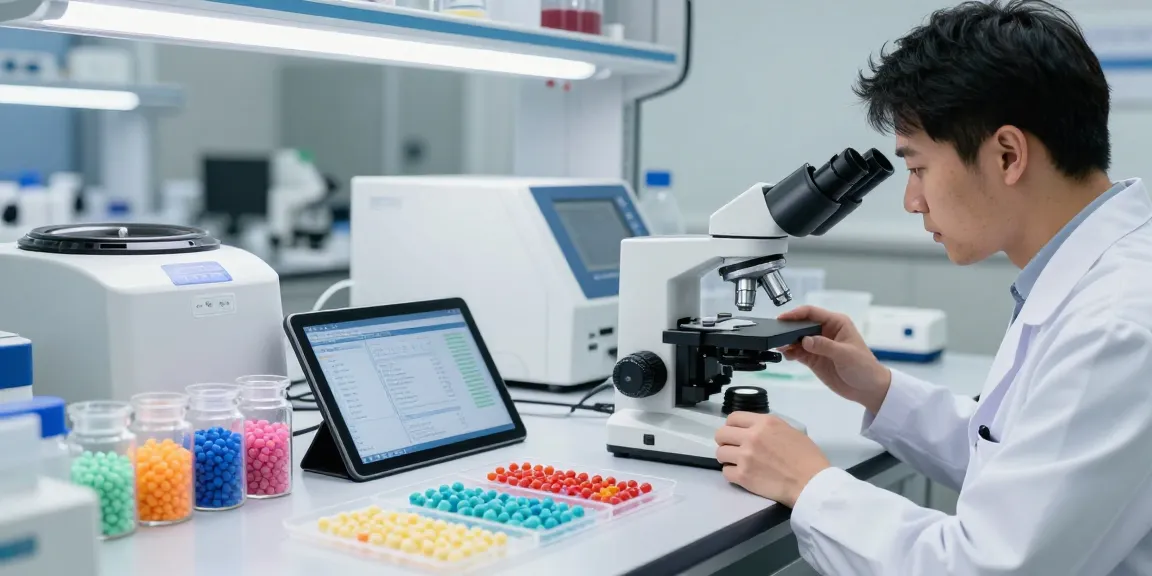
Understanding Polymer Expandable Microspheres
In the ever-evolving landscape of manufacturing materials, polymer expandable microspheres have emerged as a game-changer. These versatile materials offer significant advantages in various applications, streamlining production processes and optimizing product performance. The unique properties of expandable microspheres make them an essential choice for manufacturers looking to improve efficiency and reduce costs. When exploring options, polymer expandable microspheres provide comprehensive insights into procurement, quality, and application potential.
What Are Polymer Expandable Microspheres?
Polymer expandable microspheres are small, hollow spheres made from thermoplastic material that can expand when exposed to heat. Typically, they consist of a polymer shell that encapsulates a gas or a volatile liquid. When heated, the internal gas expands, causing the microspheres to increase dramatically in volume. This expansion process creates lightweight, low-density materials that can be used as fillers or blowing agents in various applications.
Key Properties and Applications
The key properties of polymer expandable microspheres include:
- Low Density: Their lightweight nature helps reduce the overall weight of the final product.
- Thermal Insulation: They provide excellent thermal insulation properties, making them ideal for applications in packaging and automotive sectors.
- Sound Absorption: Their structure allows for sound absorption, beneficial in consumer goods and automotive components.
- Cost-Effectiveness: Using expandable microspheres can significantly reduce the amount of polymer required in manufacturing, lowering costs.
These properties make polymer expandable microspheres suitable for a variety of industries, including automotive, consumer goods, and packaging solutions.
Comparative Analysis with Traditional Materials
When compared to traditional materials such as solid thermoplastics, polymer expandable microspheres offer several advantages. For example, while solid plastics might be heavier and provide less insulation, expandable microspheres enhance product functionality without compromising on quality. Additionally, the lower material density contributes to lighter products, which is a critical factor in automotive and packaging industries.
The Science Behind Expandable Microspheres
Manufacturing Processes Explained
The production of polymer expandable microspheres involves several sophisticated processes, starting with the creation of a thermoplastic shell. This shell is designed to encapsulate a blowing agent, which is typically a low-boiling liquid or gas. The manufacturing process includes:
- Polymerization: This step determines the properties of the microspheres, including their expansion rate and stability.
- Encapsulation: The blowing agent is introduced during polymerization and then sealed within the polymer shell.
- Expansion: Typically performed using heat, this process expands the microspheres, making them suitable for various applications.
Thermal Expansion Mechanism
The thermal expansion mechanism of these microspheres is fundamental to their functionality. When subjected to elevated temperatures, the encapsulated gas expands, which causes the microspheres to increase in size. This transformation allows them to serve various purposes, such as reducing the density of a composite material while maintaining structural integrity.
Material Composition and Structure
Polymer expandable microspheres commonly consist of styrene-based polymers, polyethylene, or polypropylene. The choice of polymer influences the expansion characteristics, mechanical properties, and end-use applications. The spherical shape enhances flowability, enabling easier processing during manufacturing.
Applications Across Industries
Use in Automotive Components
In the automotive industry, polymer expandable microspheres are used to manufacture lightweight interior parts, sound insulators, and bumpers. By reducing the weight of these components, manufacturers can achieve better fuel efficiency without compromising performance or safety.
Role in Consumer Goods Manufacturing
In consumer products, these microspheres are integral to cosmetics, adhesives, and coatings. Their contribution to product lightness and function improves user experience while also enhancing aesthetic qualities.
Innovations in Packaging Solutions
Packaging solutions benefit significantly from the use of polymer expandable microspheres. Their lightweight properties allow for reduced material usage in packaging design, which is not only cost-effective but also aligns with sustainability efforts aimed at reducing waste.
Challenges in Sourcing and Quality Assurance
Navigating Supply Chain Complexity
One of the primary challenges when sourcing polymer expandable microspheres is navigating the complex supply chain. Manufacturers must be vigilant in verifying suppliers to ensure consistent quality and prevent production disruptions caused by substandard materials.
Quality Control Measures for Manufacturers
Implementing strict quality control measures is crucial for maintaining product integrity. Manufacturers should conduct regular audits and ensure that all incoming materials, including polymer expandable microspheres, meet established standards and specifications.
Common Procurement Mistakes to Avoid
As with any procurement process, manufacturers often face common pitfalls, such as:
- Failing to conduct adequate supplier assessments
- Overlooking the importance of documentation and certifications
- Ignoring market trends that could affect material availability
Being aware of these mistakes can help manufacturers streamline their procurement processes and avoid costly errors.
Future Trends and Innovations in 2026
Emerging Technologies in Polymer Development
As we head into 2026, emerging technologies in polymer development promise to unlock new potentials for expandable microspheres. Innovations in production technology may lead to even better performance characteristics and broader application scope.
Sustainability and Eco-Friendly Practices
There is an increasing trend towards sustainability, with many manufacturers seeking eco-friendly alternatives. The development of biodegradable microcapsules and recyclable materials may pave the way for more environmentally responsible options in the future.
Market Predictions for Polymer Expandable Microspheres
Market predictions indicate continued growth in the demand for polymer expandable microspheres, driven by the increasing need for lightweight and high-performance materials in multiple industries. As companies focus on reducing their carbon footprint, the demand for these materials is expected to rise.
What Are the Benefits of Using Expandable Microspheres?
Using polymer expandable microspheres offers numerous advantages, including:
- Enhanced product performance
- Lower manufacturing costs
- Improved product functionality
- Sustainability through reduced material input
How to Choose the Right Microspheres for Your Needs?
Choosing the correct polymer expandable microspheres for your application requires careful consideration of factors such as:
- The specific requirements of the end product
- Compatibility with other materials
- Thermal and mechanical properties needed for performance
By understanding these elements, manufacturers can optimize their material choices and enhance product quality.