Understanding the Texlift Lift Technology
The landscape of material handling is rapidly evolving, with electric forklifts emerging as a cornerstone of modern warehouse operations. Among the brands leading this charge is Texlift, focusing on innovation, performance, and sustainability. As businesses strive to enhance efficiency and reduce their carbon footprint, electric lifting solutions like Texlift lift are gaining prominence. This transformation is fueled by technological advancements and a renewed commitment to safety and environmental responsibility in the workplace.
What Makes Electric Forklifts Different?
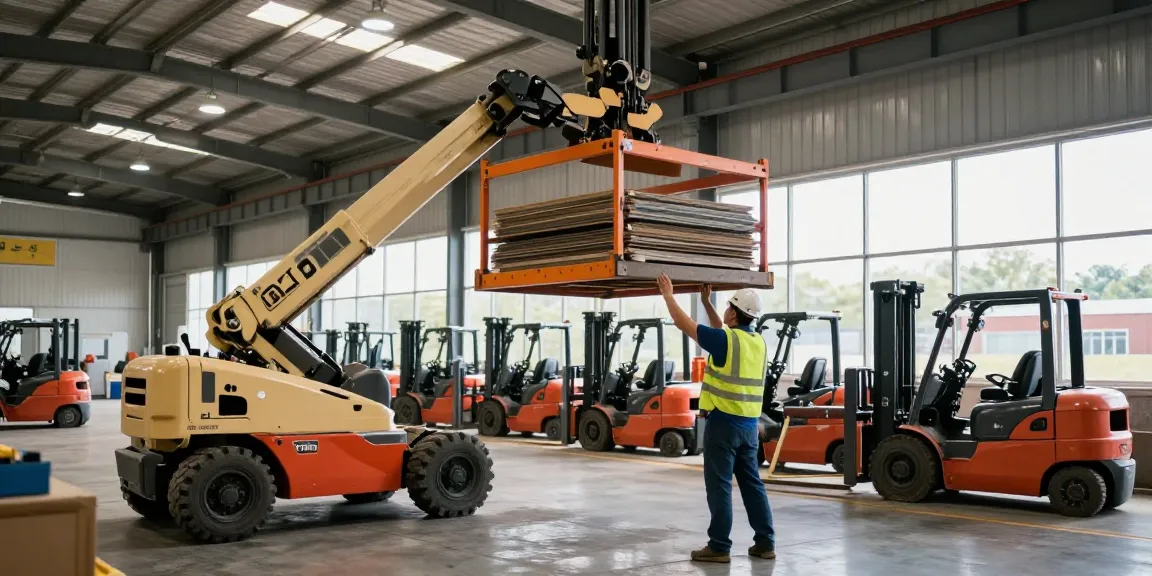
Electric forklifts stand apart from their internal combustion counterparts primarily due to their power source, efficiency, and operational impact. Unlike traditional forklifts that rely on gasoline or diesel, electric models utilize batteries, which leads to quieter operation and reduced emissions. This is particularly crucial in urban settings where noise and air quality regulations are stringent. Furthermore, electric forklifts typically require less maintenance, as they have fewer moving parts and do not require oil changes, making them a more sustainable choice in the long run.
Innovations in Electric Forklift Design
The design of electric forklifts has significantly evolved to enhance performance and usability. Modern electric models often feature advanced technologies such as regenerative braking, which recovers energy during operation and provides longer battery life. Additionally, ergonomic designs are increasingly common, ensuring that operators can work comfortably and efficiently. Features like adjustable seats, intuitive controls, and improved visibility contribute to a safer and more productive working environment.
Performance Metrics for Modern Warehouses
Efficiency in a warehouse is measured through various performance metrics, including lift height, load capacity, and energy consumption. Electric forklifts like those offered by Texlift are designed to excel in these areas. With models that boast capacities over 3,300 lbs and lift heights reaching up to 18 ft, they meet the demands of diverse warehouse environments. Moreover, their energy-efficient design translates to lower operational costs and reduced environmental impact, aligning with the growing trend towards sustainability in business operations.
Strategic Benefits of Using Texlift Equipment
Investing in Texlift equipment offers numerous strategic advantages, particularly for industries that prioritize efficiency and sustainability. The growing recognition of electric forklifts aligns with a shift towards greener practices, making Texlift’s offerings not only practical but also responsible choices for modern businesses.
Cost-Effectiveness and Energy Efficiency
Electric forklifts generally have lower operational costs compared to traditional forklifts. The initial investment may be higher, but the long-term savings on fuel and maintenance quickly offset this cost. Additionally, the energy efficiency of electric models reduces electricity bills and contributes to a smaller carbon footprint. For businesses looking to enhance their financial performance while adhering to environmental regulations, Texlift represents a cost-effective solution.
Enhancing Safety Standards in the Workplace
Safety is paramount in any work environment, especially in warehouses where heavy machinery operates regularly. Electric forklifts offer distinct safety advantages, including fewer emissions, which contribute to better air quality for operators. Advanced safety features like anti-tip systems and automatic braking mechanisms further ensure that Texlift equipment meets stringent safety standards, protecting both operators and goods.
Environmental Impact and Zero-Emission Solutions
With increasing awareness of climate change and environmental degradation, businesses are actively seeking ways to minimize their ecological impact. Electric forklifts from Texlift produce zero emissions at the point of use, making them an ideal choice for organizations committed to sustainability. By adopting electric material handling solutions, companies not only comply with regulations but also enhance their brand image as environmentally responsible entities.
Selecting the Right Texlift Equipment for Your Needs
Choosing the appropriate equipment for your operations can be a daunting task, given the variety of options available. Understanding your specific needs and the nuances of different Texlift products is crucial to making an informed decision.
Choosing Between Electric Forklifts and Other Options
When considering whether to invest in electric forklifts or remain with traditional options, several factors should be assessed. Electric forklifts excel in indoor environments, particularly where emissions can become problematic, such as food processing or retail warehouses. They also offer smoother operation and improved operator comfort. However, in rugged outdoor settings where rough terrain is prevalent, some businesses may still prefer traditional models.
Identifying the Right Capacity and Features
Understanding the specific lifting needs of your warehouse is essential for selecting the right Texlift equipment. Capacity requirements, typically ranging from 3,300 lbs to upwards of 4,400 lbs, must align with your operational load. Additionally, assessing the lift height and choosing features such as adjustable forks or narrow legs for EU pallets can enhance overall efficiency and productivity in your operations.
Case Studies: Success Stories from Texlift Users
Numerous businesses have successfully integrated Texlift electric forklifts into their operations, significantly enhancing productivity and efficiency. For instance, a prominent logistics company reported a 30% reduction in operational costs after switching to electric forklifts, crediting lower energy bills and maintenance costs as key factors. Such case studies highlight the tangible benefits of adopting modern electric solutions.
Maximizing Productivity with Texlift Lift Solutions
Once the right Texlift equipment is in place, maximizing its potential becomes the next focus. Employing best practices for operation and adequate training for employees can significantly enhance productivity and safety.
Best Practices for Electric Forklift Operation
Efficient operation of electric forklifts requires adherence to best practices to maximize both safety and productivity. Regular inspections and maintenance checks are essential to ensure machinery is in optimal working condition. Operators should also be trained to perform tasks efficiently, utilizing smooth acceleration and gentle braking to preserve battery life.
Training Employees for Efficient Equipment Use
Investing in employee training can yield significant returns. Proper training not only enhances safety but also boosts operational efficiency. Texlift provides comprehensive training programs that focus on all aspects of equipment operation, from safe handling practices to troubleshooting, ensuring that your workforce is well-prepared to meet daily challenges.
Tech Tools for Monitoring Performance
Many modern electric forklifts come equipped with technology that allows for performance monitoring. Utilizing data analytics tools enables warehouse managers to track usage patterns, identify inefficiencies, and make informed decisions about fleet management. Texlift’s advanced models are embedded with such features, allowing for real-time performance insights.
Future Trends in Electric Material Handling
The electric material handling landscape is evolving, with new technologies and automation trends shaping the future. Businesses must stay informed to remain competitive in this changing environment.
Emerging Technologies in Forklift Design
Future innovations in electric forklifts may include increased automation, enhanced AI capabilities for predictive maintenance, and improved battery technologies for faster charging times and longer lifespans. These advancements promise to further streamline operations and reduce costs for businesses utilizing Texlift products.
Predictions for Warehouse Automation in 2026
As automation technologies advance, 2026 is set to witness widespread adoption of fully automated warehouses. Electric forklifts will play a crucial role in this transition, with automated systems facilitating seamless inventory management and product movement. Companies that invest in Texlift technology today will be well-positioned to take advantage of these developments.
Strategic Planning for Future Equipment Investments
To stay ahead in the market, businesses must plan their equipment investments wisely. This involves not only selecting the right models and features but also considering future needs as operations scale or change. Regularly assessing fleet performance and exploring the latest Texlift innovations will ensure your equipment remains aligned with industry trends and operational requirements.
What are the key advantages of Texlift lifts?
Texlift lifts offer numerous advantages, including lower operational costs, enhanced safety features, and zero-emission performance, making them suitable for various industrial applications.
How does electric power compare to traditional forklifts?
Electric power provides a cleaner, quieter, and often more cost-effective alternative to traditional forklifts, reducing maintenance needs and environmental impact.
What features should I consider in electric stackers?
When selecting electric stackers, consider factors such as load capacity, lift height, battery life, and advanced safety features to ensure they meet your operational requirements.
Are Texlift lifts suitable for outdoor use?
While Texlift lifts excel in indoor environments, certain models designed for durability and rugged terrain can also be effectively utilized outdoors.
How can I ensure proper maintenance of my Texlift equipment?
Adhering to a regular maintenance schedule, conducting routine inspections, and following manufacturer guidelines will help ensure the longevity and reliability of Texlift equipment.