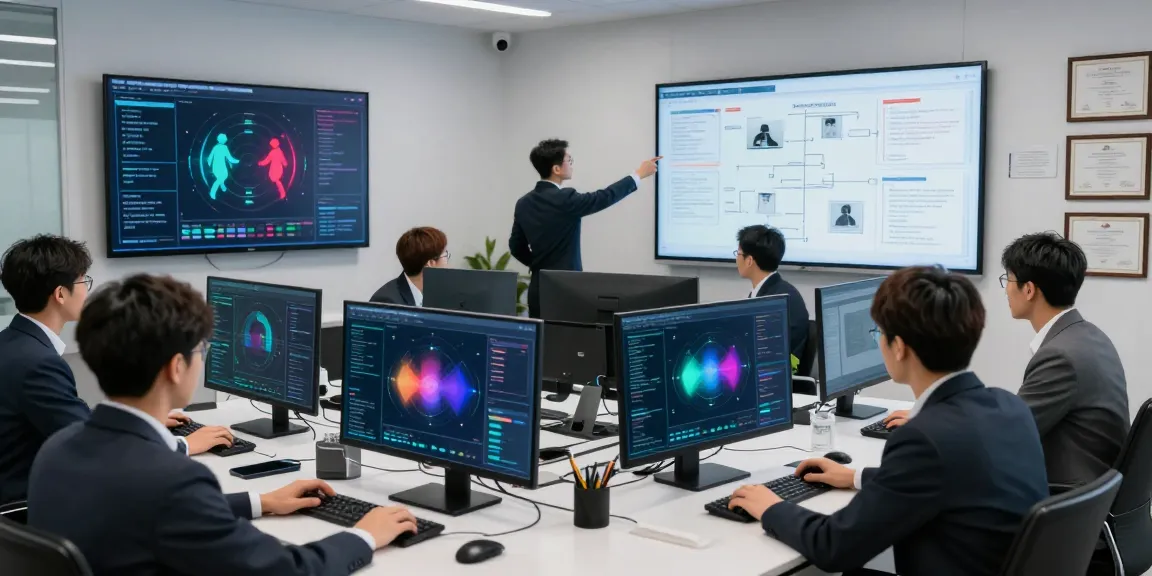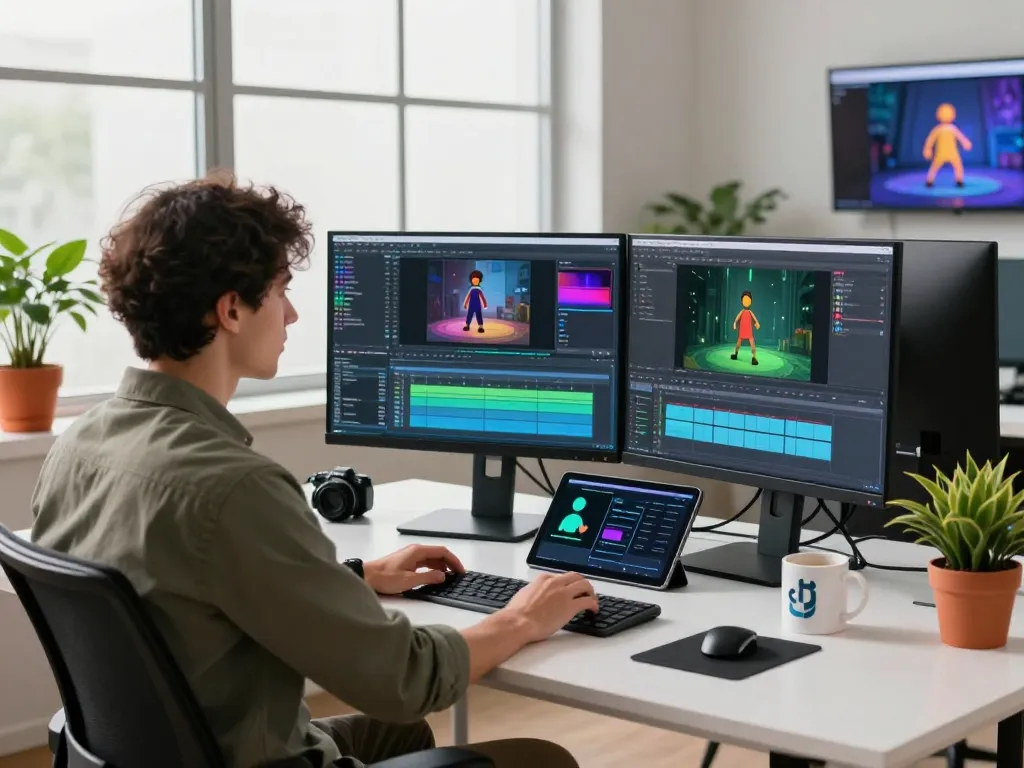
Understanding Kling Motion Technology
The advent of artificial intelligence has revolutionized the media and entertainment industry, particularly in video creation. One of the most exciting innovations in this field is the Kling motion AI, which promises to elevate traditional animation practices by seamlessly merging static images with dynamic video backgrounds. This article will delve into the functionalities and capabilities of Kling Motion AI, offering insights into its features, benefits, and practical applications for creators and businesses looking to enhance their visual storytelling.
What is Kling Motion AI?
Kling Motion AI is a cutting-edge technology designed to transform still images into lively videos. By analyzing reference motion clips and user-uploaded images, this AI-driven platform generates video outputs that mimic the movements and expressions found in the reference material. Unlike earlier tools, Kling Motion AI maintains a high degree of fidelity to the original character's identity, ensuring that the generated videos feel authentic and true to life.
Key Features of Kling Motion 2.6
- Accurate Motion Path Control: One of the hallmarks of Kling Motion AI is its ability to create precise motion paths, allowing for detailed character movements aligned with the reference video.
- Reliable Character Identity Preservation: Kling 2.6 ensures that facial features, body proportions, and clothing consistency are maintained throughout video production, eliminating issues like visual drift.
- Photorealistic Output: The engine generates videos with realistic lighting and textures, making it suitable for both casual creators and professional filmmakers.
- Rapid Video Generation: Optimized for speed, Kling Motion AI allows users to produce high-quality videos in minutes, significantly reducing the time to market.
- Advanced Control for Complex Actions: From dynamic dance routines to intricate movements, users can execute complex animations with ease.
Comparing Kling Motion with Competitors
In an increasingly competitive landscape, Kling Motion AI stands out for its unique combination of speed, fidelity, and ease of use. While other platforms offer similar functionalities, they often fall short in areas such as character identity preservation or realistic output. For instance, several competitors struggle with maintaining consistent facial expressions or body proportions over time, which can lead to jarring visual results. Kling's ability to bridge the gap between animation and cinematography makes it a preferred choice for many content creators today.
Optimizing Image-to-Video Projects
To get the most out of the sophisticated features offered by Kling Motion AI, it's essential to optimize how you use the platform. This section discusses best practices for selecting image and motion references, the importance of integrating text prompts, and strategies for maintaining character integrity during animations.
Best Practices for Image and Motion Reference Selections
Choosing the right images and motion clips is fundamental to achieving high-quality outputs. Here are some best practices:
- Image Quality: Upload high-resolution images that clearly depict the subject. Avoid cropped or poorly lit images, as they can hinder the AI's ability to generate accurate movements.
- Matching Orientations: Ensure that the character's orientation in the image matches the reference video. For example, a full-body image should be paired with a full-body motion clip to maintain stability in alignment.
- Sufficient Background Space: Leave enough background space around the character to allow for natural movement. This is particularly important for complex motions.
Integrating Text Prompts for Enhanced Output
Text prompts can significantly enhance the quality of the generated video. By providing detailed descriptions of desired actions, environments, or even specific visual cues (like "slow zoom" or "soft lighting"), you guide the AI in producing a more polished final product.
Maintaining Character Identity in Motion
One of the challenges in video generation is ensuring that the character's identity remains intact throughout the animation. Kling Motion AI addresses this by incorporating advanced algorithms that detect and maintain distinctive traits such as facial geometry and clothing textures. By carefully selecting quality references and utilizing the AI's tracking capabilities, content creators can achieve consistent character portrayal across scenes.
Creative Applications of Kling Motion
The versatility of Kling Motion AI extends to various creative fields, from social media content creators to filmmakers. This section explores some innovative ways to leverage this technology for both casual and professional projects.
Using Kling for Viral Video Content
Social media platforms thrive on engaging and shareable content. With Kling Motion AI, users can easily create short, captivating videos that have the potential to go viral. For example, creators can animate static images of pets or celebrities in amusing scenarios, enhancing their entertainment value. Such content often resonates well with audiences, thus increasing engagement.
Professional Use Cases in Film and Animation
In professional settings, Kling Motion AI can be an invaluable tool for filmmakers and animators. By allowing directors to visualize scenes with dynamic elements even before filming, it facilitates creative brainstorming and storyboarding processes. Additionally, animators can use the technology to enhance character animations, making them more lifelike and expressive in final productions.
Innovative Projects: Beyond Traditional Uses
Kling Motion AI can also be applied in educational and marketing contexts. For instance, educational institutions can use video animations to create engaging tutorials or presentations that capture student attention. Similarly, businesses can produce visually compelling promotional materials that stand out in a crowded market.
Technical Insights for Effective Motion Control
Understanding the technical aspects of Kling Motion AI is crucial for maximizing its capabilities. This section will provide insights into measuring performance, the step-by-step video creation process, and techniques for managing complex actions.
Measuring Motion Accuracy and Performance
To determine the effectiveness of Kling Motion AI, performance metrics such as motion accuracy, rendering time, and user feedback should be evaluated. Developers continually refine the algorithms to enhance these metrics, which makes the platform increasingly reliable for users.
Step-by-Step Video Creation Process
- Upload Your Image: Begin by uploading a high-quality static image of the character you want to animate.
- Add a Reference Video: Select a motion clip that closely resembles the actions you want to replicate.
- Utilize Text Prompts: If desired, craft text prompts to provide additional context for the AI.
- Generate and Preview: Click “Generate” to run the Kling Motion engine and preview the result.
- Export Your Video: Once satisfied with the output, export the final video in your preferred format.
Advanced Techniques for Complex Actions
To master complex actions, such as intricate dance moves or martial arts sequences, it’s important to focus on timing and precision. Adjusting the speed of reference videos and carefully selecting prompts will help maintain synchronization between movements, enabling natural transitions between different actions.
Future Trends in Motion Control AI
The field of motion control AI is rapidly evolving. This section examines emerging developments, predictions for the future of AI video creation, and how stakeholders can prepare for changing creative workflows.
Emerging Developments in 2026 and Beyond
As technology continues to advance, trends suggest that future iterations of Kling Motion AI will incorporate even more features, such as real-time interactive elements and enhanced integration with virtual reality. Users can expect smoother animations, improved facial recognition capabilities, and more user-friendly interfaces.
Predictions for AI Video Creation Evolution
Experts predict that AI video creation will become increasingly accessible for all users, from amateurs to professionals. As platforms like Kling Motion refine their algorithms, we might see a democratization of video creation, where sophisticated tools are available without requiring extensive technical knowledge.
Preparing for Changes in Creative Workflows
For creatives, staying ahead of technological advancements is essential. Embracing training and learning within the space of AI-driven tools will ensure that your skills remain relevant. Collaboration with AI technology can enhance creativity, enabling artists to focus more on conceptualization than on the technical aspects of production.
What are the key features of Kling Motion AI?
Kling Motion AI is distinguished by its accurate motion path control, reliable identity preservation, and rapid video generation capabilities—all key features that foster professional-grade video outputs.
How does Kling Motion ensure character identity preservation during video generation?
The technology employs advanced algorithms that monitor facial details, body proportions, and clothing consistency throughout the animation process to maintain character integrity.
Can I use Kling motion AI videos commercially?
Absolutely! The outputs generated from Kling Motion AI can be utilized for various commercial projects, provided the terms of use are adhered to.
What are the optimal settings for producing the best results with Kling Motion?
For optimal results, ensure high-quality image uploads, use matching reference clips, and provide detailed text prompts, which together create a synergistic effect on the final video output.
How fast is video generation with Kling Motion AI?
The platform is optimized for performance, enabling video generation to happen rapidly—often in just a matter of minutes, thus expediting the overall creative process.