Understanding the Benefits of Ceramic Window Tint
Ceramic window tint has emerged as a leading choice for vehicle owners seeking high performance and aesthetic appeal. Unlike traditional tints, ceramic window tint is crafted from advanced ceramic materials, offering a range of benefits that enhances driving comfort and vehicle protection. This article provides an in-depth exploration of ceramic window tint and why it might be the best choice for your vehicle. If you're looking for quality, consider investing in the superior benefits of ceramic window tint.
What Makes Ceramic Window Tint Unique?
Ceramic window tint sets itself apart through its unique composition—manufactured with non-metallized ceramic particles that contribute to its reflective properties. This innovation ensures it efficiently blocks heat and harmful UV rays while remaining virtually clear. Unlike metalized films, which can interfere with electronic signals, ceramic window tint is non-conductive, making it an excellent choice for modern vehicles equipped with numerous electronic features. Additionally, the clarity provided by ceramic films ensures that visual distortion is minimal, allowing for safe driving with optimal visibility.
Key Advantages Over Traditional Window Tints
Ceramic window tint offers several advantages over traditional window tints, such as dyed or metalized options. Here are some key benefits:
- Superior Heat Rejection: Ceramic window tint provides unparalleled heat rejection, blocking up to 99% of UV rays and a significant amount of infrared heat. This protects your vehicle's interior and keeps it cooler.
- Durability: Made to withstand scratches, fading, and peeling, ceramic window tint offers a longer lifespan than most traditional tints. This means fewer replacements and lower long-term costs.
- Enhanced Privacy: With varying levels of darkness available, ceramic window tint provides additional security and privacy, keeping your belongings out of sight.
- Non-Conductive Properties: Unlike metalized tints, ceramic film will not interfere with cell phone or GPS signals, preserving essential connectivity in modern vehicles.
Cost vs. Value: Why It's Worth It
While ceramic window tint may come with a higher upfront installation cost compared to traditional films, its longevity, efficiency, and overall performance justify the expense. When factoring in the reduced need for air conditioning, lower fading of interiors, and decreased risk of health issues caused by UV exposure, consumers find that ceramic window tint represents a wise investment. Many owners report that the comfort and protection provided by ceramic window tint demonstrate value that lasts far beyond the initial cost.
Installation Process of Ceramic Window Tint
Preparing Your Vehicle for Tinting
Preparation is a crucial aspect of ensuring successful installation. Here are steps you can follow before having ceramic window tint applied:
- Clean the Windows: Thoroughly clean the windows of your vehicle to remove dirt, grease, and any residues that may prevent the tint from adhering properly.
- Check Local Laws: Ensure that you are complying with local laws regarding tint darkness to avoid possible fines.
- Choose a Reputable Installer: Select a professional installer experienced in applying ceramic window tints for the best results and durability.
Step-by-Step Installation Guide
The installation process of ceramic window tint generally follows these steps:
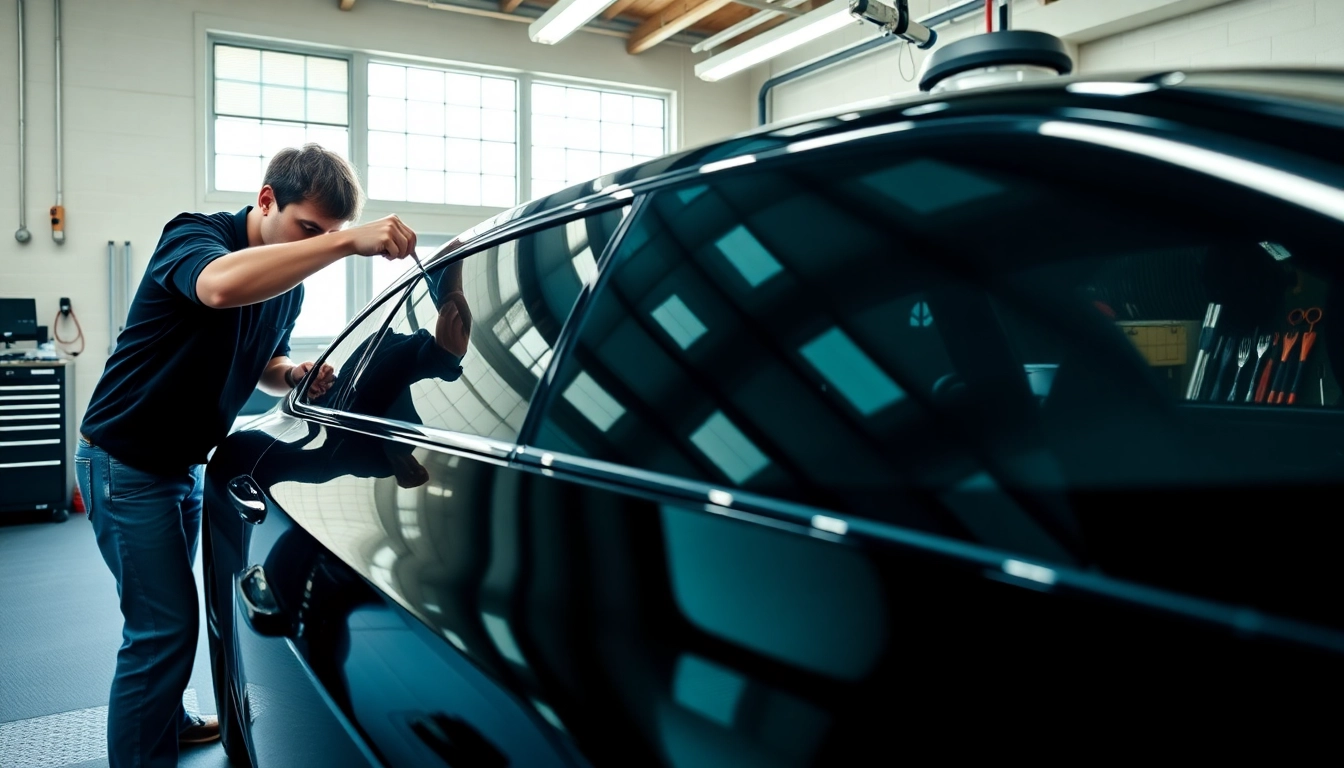
- Measuring and Cutting: The installer will measure the windows and cut the ceramic film to fit the specific dimensions.
- Application: The film is applied to the glass using a special solution that allows for repositioning before it adheres completely.
- Smoothing Out Bubbles: Using specialized tools, any air bubbles trapped under the film are smoothed out to ensure a flawless finish.
- Curing: After installation, the film requires time to cure, during which it adheres fully to the glass and is protected from moisture.
Post-Installation Care Tips
Proper care following installation will maximize the effectiveness and longevity of your ceramic window tint:
- Avoid rolling down windows for the first few days to allow the tint to adhere fully.
- Clean the tinted windows with a soft microfiber cloth and pH-neutral cleaning solutions to prevent damage.
- Keep the interior of your vehicle shaded to protect against extreme temperatures.
Comparing Ceramic Window Tint with Other Types
Film Types: Dyed, Metalized, and Ceramic
Understanding the different types of window tints can help you make an informed choice. Here’s a look at the three most popular types:
- Dyed Window Tint: This is the most affordable option, which uses a dye to block UV rays. However, it tends to fade over time and provides less heat rejection.
- Metalized Window Tint: Containing metal particles, this type reflects heat but can interfere with electronic signals, leading to potential connectivity issues.
- Ceramic Window Tint: As previously discussed, ceramic tint excels in heat rejection and durability, making it a preferred choice despite its higher price tag.
Longevity and Durability Comparison
Longevity is a significant factor when comparing window tints:
- Dyed Tints: Typically last 1-3 years before noticeable fading occurs.
- Metalized Tints: Last around 5-10 years with proper care, but can scratch and damage more easily.
- Ceramic Tints: Last 10-15 years, showing minimal signs of wear and maintaining their appearance effectively.
Heat Rejection: What to Expect
The ability to reject heat varies significantly between film types. Studies have shown that ceramic window tint can reduce heat entry by up to 60%, which leads to a cooler interior and less reliance on air conditioning. Both dyed and metalized films will typically offer less effective heat rejection, making ceramic tint an ideal choice for those living in warmer climates.
Common Misconceptions about Ceramic Window Tint
Dispelling Myths: Performance vs. Price
A prevalent misconception is that higher costs do not guarantee better performance. However, ceramic window tint’s advanced technology ensures it outperforms many cheaper alternatives across heat rejection, durability, and aesthetics. The investment pays off over time through enhanced comfort and protection for your vehicle.
Visual Impact: Does It Affect Your View?
Many consumers worry that darker films will obstruct visibility. Ceramic tint is designed to maintain clarity while providing enhanced privacy and UV protection. With a range of shades available, you can find the perfect balance between privacy and visibility, ensuring safe driving.
Tinting Laws and Regulations
Each region has different regulations regarding window tinting. It’s essential to research your local laws regarding permissible tint percentages and comply to avoid fines. Professional installers usually remain informed about legal requirements, assisting you in selecting the right film for your vehicle.
Frequently Asked Questions
How long does ceramic window tint last?
Ceramic window tint can last between 10 to 15 years, maintaining its clarity and performance without fading or peeling.
Can I clean my tinted windows normally?
Yes, but avoid ammonia-based cleaners. Use a soft microfiber cloth and pH-neutral solutions for best results.
Does ceramic window tint block UV rays?
Yes, ceramic window tint blocks up to 99% of harmful UV rays, providing excellent protection for your skin and vehicle interior.
What is the warranty for ceramic window tint?
The warranty can vary by installer and manufacturer, typically ranging from 5 to 10 years, covering issues like fading or peeling.
Is professional installation necessary?
While DIY kits are available, professional installation ensures proper adhesion, reducing the risk of bubbles and wrinkles.