Understanding Colonial Home Construction
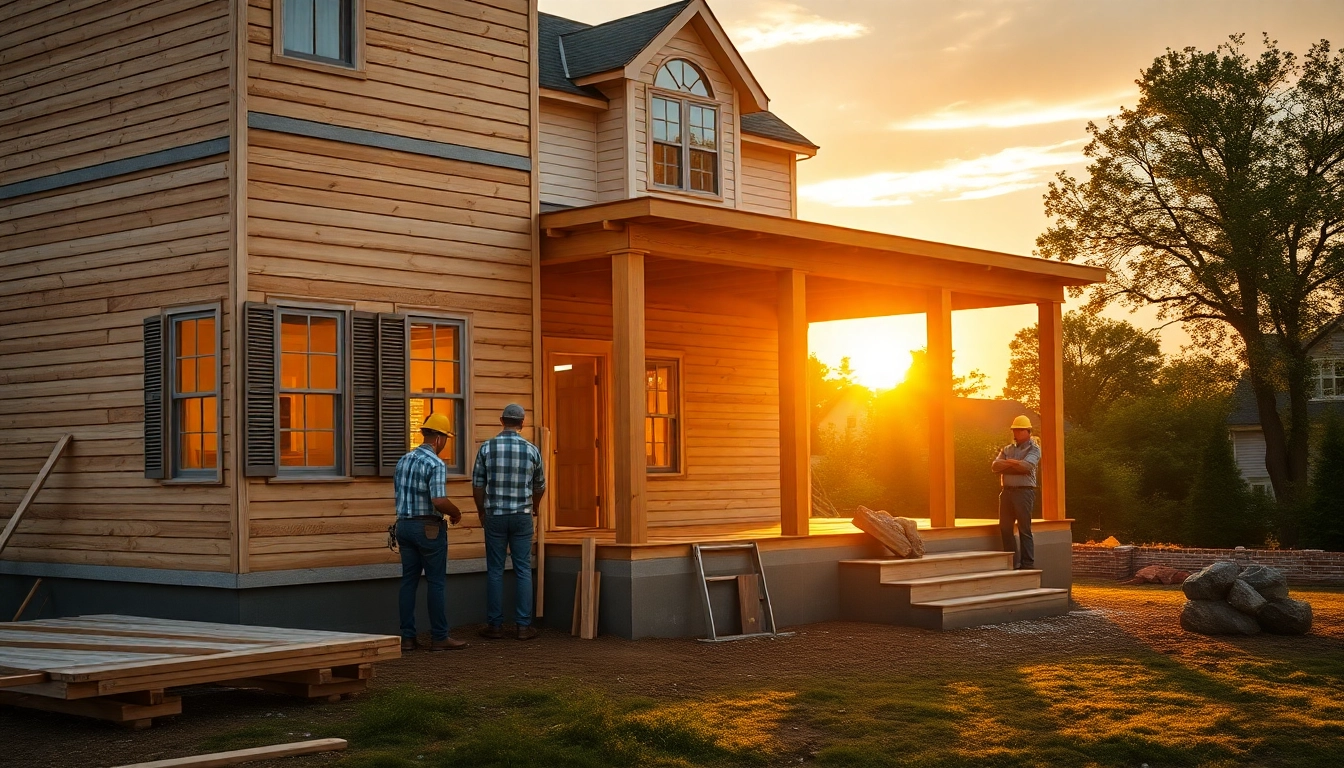
Colonial homes are a remarkable architectural style with historical nuances that reflect our cultural heritage. Known for their symmetry and grandeur, undertaking colonial home construction requires an understanding of not only the aesthetics but also the techniques and principles behind their unique design. This exploration of colonial homes will dive into various aspects, from their defining features to the crucial step of planning the construction process.
What Defines a Colonial Home?
Colonial homes are characterized by their simple yet elegant lines, usually constructed in a rectangular shape. These houses often showcase a central front door, flanked by evenly spaced windows, contributing to their symmetrical appearance. Traditional colonial homes draw from varied influences such as Dutch, Spanish, and English styles, evolving to reflect regional variations while maintaining their historical essence.
Common Features of Colonial Architecture
- Symmetry: Each side of a colonial house mirrors the other, enhancing aesthetic appeal.
- Multiple Stories: Most colonial homes are two or three stories, providing a spacious interior layout.
- Gabled Roofs: The distinctively steeply pitched roofs often adorned with decorative elements.
- Chimneys: Usually centered or on one end of the home, a defining feature that also serves practical purposes.
- Built-in Porches: Many colonial designs integrate porches that extend into the front, enhancing outdoor living spaces.
Historical Significance of Colonial Homes
Colonial architecture serves as a testament to early American history, capturing the spirit of the colonial period. These homes reflect the lifestyle, values, and artistic expressions of their time, representing various regions’ influences and adaptations. They often incorporate elements that denote the local environment, from materials used to their placement concerning the landscape.
Planning Your Colonial Home Construction
Planning is essential in ensuring that your colonial home construction meets both functional needs and aesthetic aspirations. Understanding how to navigate this process will significantly impact the outcome of your project.
Key Steps in the Planning Process
The planning process for constructing a colonial home involves several stages. Start with defining your vision and sketching out preliminary designs. Engage with architects experienced in colonial architecture, as they can visualize and execute your ideas effectively. Incorporate detailed timelines and budget estimates to ensure a smooth construction phase.
Choosing the Right Location and Design
The choice of location is pivotal in reflecting the colonial style. Consider options that enhance the elegance of the colonial design, such as sites with historical significance or natural features. Once settled on a location, focus on designing your home to integrate seamlessly with the surroundings. This means selecting exteriors and landscaping that are in harmony with traditional colonial aesthetics.
Understanding Local Building Regulations
Before beginning any physical work, it is imperative to familiarize yourself with local building codes and regulations. These regulations often dictate design aspects, construction methods, and safety standards. Securing the necessary permits before starting your construction ensures compliance and protects against potential legal issues.
Materials Used in Colonial Home Construction
The choice of materials plays a significant role in colonial home construction. Traditional materials not only offer authenticity but also contribute to the structural integrity and aesthetic of the home.
Traditional Materials and Their Benefits
Traditionally, colonial homes were constructed using durable materials such as brick, wood, and stone. These materials provide excellent insulation, withstand the test of time, and maintain a historical appearance. Brick, in particular, is favored for its longstanding reputation and minimal upkeep requirements, whereas wood offers warmth and character.
Modern Alternatives in Colonial Design
Today, there are numerous modern alternatives that retain the charm of colonial homes while enhancing efficiency and sustainability. Fiber cement siding, for example, mimics the appearance of wood without the susceptibility to termites or rot. Modern insulation materials are also available to improve energy efficiency while maintaining the traditional look.
Sustainability Considerations in Material Selection
With the growing focus on environmental consciousness, sustainability in material selection is paramount. Utilizing reclaimed wood and locally sourced materials can significantly reduce your ecological footprint. Investing in sustainable practices during construction not only enhances the home’s longevity but also reflects a commitment to preserving the environment.
Construction Techniques for Colonial Homes
The construction phase necessitates applying the correct techniques to ensure that the finished product aligns with specified designs and maintains the integrity of colonial architecture.
Traditional vs. Contemporary Construction Methods
While traditional building methods emphasize craftsmanship, such as hand-cut joinery and mortise and tenon techniques, contemporary methods often incorporate advanced technologies and tools. Balancing these two approaches enables builders to preserve the historical essence of colonial architecture while enhancing structural efficiency.
Incorporating Modern Technology in Colonial Design
Modern technology can significantly enhance the construction process. Techniques like 3D modeling assist in visualizing designs more accurately, enabling adjustments before actual construction. Additionally, implementing smart home technology can offer convenience and energy efficiency while maintaining the exterior appearance of a traditional colonial home.
Best Practices for Efficient Construction
Efficiency in construction can be achieved by establishing well-defined communication channels among contractors and subcontractors. Using project management tools can help maintain current schedules and budgets, mitigating potential delays. Prioritizing high-quality craftsmanship, especially in the foundational stages, is critical to ensuring the longevity of a colonial home.
Maintaining and Renovating Colonial Homes
As with any home, maintaining and occasionally renovating colonial houses is essential to preserving their historical value and functionality. Regular upkeep can significantly extend the life of your home.
Regular Maintenance Tips for Longevity
Routine maintenance includes inspecting the roof for leaks, cleaning gutters, and checking for signs of pests. Regularly painting or staining wood surfaces can prevent deterioration, while ensuring proper ventilation can avert moisture buildup and subsequent damage.
Renovation Ideas that Preserve Heritage
When considering renovations, it is crucial to prioritize preserving the home’s historical integrity. Reusing original materials and choosing colors and styles that align with the period can maintain its character while modernizing functionalities.
Getting Professional Help for Renovations
Engaging professionals who specialize in colonial architecture is advisable for renovations. They possess the knowledge and experience to navigate the complexities of maintaining historical accuracy while implementing modern standards for safety and efficiency.
Frequently Asked Questions
1. What are the main styles of colonial architecture?
The primary styles include Georgian, Dutch, Spanish, and French Colonial, each with unique features reflecting their cultural origins.
2. How do I choose the right materials for my colonial home?
Select materials based on their historical authenticity, durability, and sustainability to maintain the colonial aesthetic.
3. What is the average cost of building a colonial home?
Costs vary widely based on location, materials, and design, but it’s essential to prepare a comprehensive budget early in the planning process.
4. Are there specific permits needed for colonial home construction?
Yes, obtaining building permits and ensuring compliance with local zoning laws is crucial before starting construction.
5. How can I find a qualified contractor for colonial home construction?
Look for contractors with experience in historical restoration and colonial architecture; asking for references and reviewing past projects is beneficial.