Understanding Bed Bug Heat Treatment Basics
As bed bugs continue to be a significant problem for households and businesses alike, understanding the most effective treatment methods has never been more critical. Among various options available, bed bug heat treatment stands out due to its effectiveness and eco-friendliness. This article dives deep into the nuances of heat treatment, from its mechanics to its advantages over traditional chemical treatments, helping homeowners make informed decisions in pest management.
What is Bed Bug Heat Treatment?
Bed bug heat treatment is a pest control method that utilizes high temperatures to exterminate bed bugs and their eggs. The process involves heating an infested area to specific temperatures, usually between 120°F to 140°F (49°C to 60°C), where bed bugs cannot survive. This method targets all life stages of bed bugs, making it a comprehensive solution to infestations.
How Heat Treatment Works Against Bed Bugs
The science behind bed bug heat treatment lies in the thermal death point of the insects. Bed bugs begin to die when exposed to temperatures above 113°F (45°C), and they cannot survive prolonged exposure to temperatures above 120°F (49°C). The treatment process typically lasts for several hours, during which specialized heating equipment raises the ambient temperature to lethal levels, effectively killing bed bugs in their hiding spots. The heat penetrates various materials, ensuring even those inaccessible to chemical treatments are dealt with.
Benefits of Choosing Heat Over Chemical Treatments
- Eco-Friendliness: Heat treatment is a non-toxic approach, making it safe for children and pets.
- Speed of Action: Unlike chemical treatments that may require multiple applications, heat treatment generally resolves infestations in one session.
- Comprehensive Coverage: Heat can reach cracks and crevices where bed bugs hide, ensuring thorough extermination.
- Long-Lasting Results: When properly executed, heat treatment eliminates not only adult bed bugs but also their eggs, reducing the likelihood of re-infestation.
Identifying Bed Bug Infestations
Recognizing a bed bug infestation early can save time, money, and stress. While some signs are overt, others may require a more trained eye. Understanding what to look for and how to prepare your home for treatment are crucial steps in the pest control process.
Signs of Bed Bug Presence in Your Home
Common indications of bed bug infestations include:
- Bites: Bed bug bites often appear as small, raised welts, typically in clusters or lines.
- Blood Stains: Small blood spots on sheets or mattresses can indicate bed bugs are present.
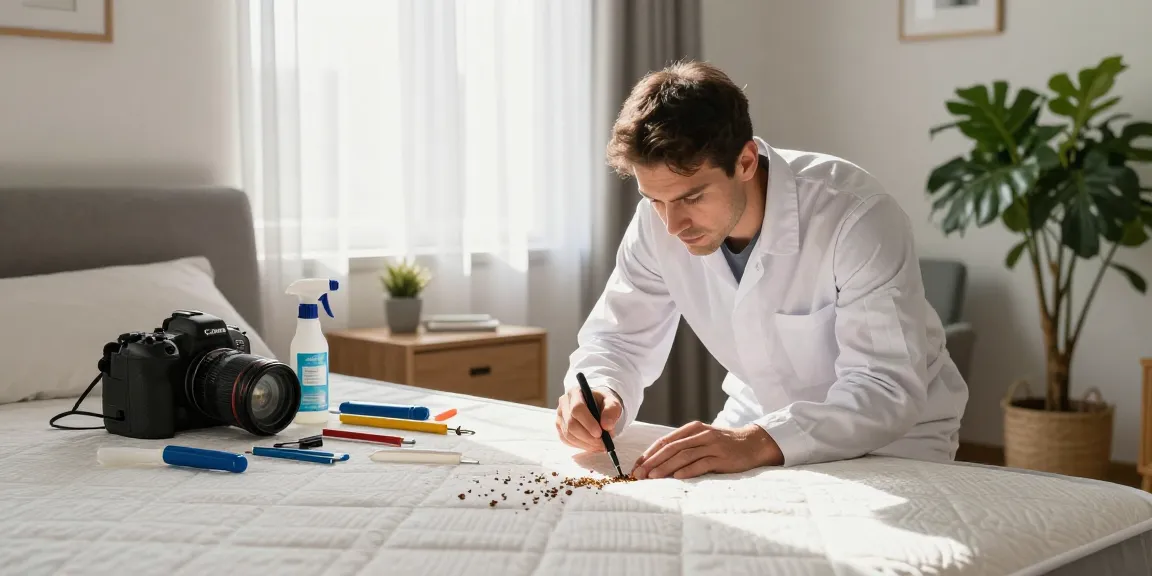
- Dark Spots: Bed bug droppings appear as dark, inky spots on bedding and furniture.
- Presence of Shells: As bed bugs mature, they shed their exoskeletons, which can be found in hiding spots.
How to Prepare Your Home for Treatment
Preparation is key to the success of bed bug heat treatment. Homeowners should:
- Remove clutter to allow better airflow during treatment.
- Wash and dry bedding and clothing at high temperatures, if possible.
- Secure valuable items and personal belongings that could be affected by the heat.
- Inform your pest control technician about any sensitive areas or concerns to tailor the treatment approach.
Common Mistakes in DIY Identification
Many homeowners misidentify bed bug infestations, mistaking them for other pests or overlooking them entirely. A common mistake is failing to recognize the appearance of bed bug bites—many may dismiss them as mosquito bites. Understanding the unique characteristics of bed bugs and employing professional help can improve identification accuracy significantly.
Steps for Implementing Heat Treatment
Once you’ve identified an infestation and prepared your home, the actual implementation of heat treatment follows a systematic approach to ensure its effectiveness.
Preparing Your Space for Professional Treatment
Before the treatment begins, ensure that:
- All items that can be removed have been taken out of the treatment area to prevent damage.
- Heat-sensitive materials, like candles and electronics, are moved to a safe location.
- A clear path is established for the heat distribution equipment to be set up.
What to Expect During the Treatment Process
During the heat treatment process, professionals will monitor the indoor temperature and ensure it reaches levels that can effectively eliminate bed bugs. This monitoring is critical, as maintaining the right temperature for the right duration is key to success. Expect the process to last several hours, with the technician checking in regularly to provide updates.
Duration and Safety of Heat Treatments
The entire heat treatment process typically takes around six to eight hours. It’s essential to vacate the premises during this time for safety reasons. While the heat method is overwhelmingly safe, professionals will provide instructions on when it is safe to return post-treatment.
Post-Treatment Care and Monitoring
Even after treatment, vigilance is necessary. Maintaining a bed bug-free environment involves several ongoing steps.
How to Maintain a Bed Bug-Free Environment
To ensure long-term success post-treatment:
- Regularly inspect sleeping areas and furniture for signs of bed bugs.
- Maintain cleanliness and reduce clutter to limit bed bug hiding spots.
- Consider mattress encasements as a preventative measure against future infestations.
Signs to Watch For After Treatment
Be alert for any signs of bed bugs after treatment, including bites or the appearances of new bloodstains on bedding. If any signs re-emerge, it is critical to contact your exterminator for a follow-up inspection.
Scheduling Follow-Up Inspections
Post-treatment inspections are vital in catching any remaining bed bugs early. It’s recommended to schedule these follow-ups every few months to maintain a proactive stance on pest management.
Cost and Value of Heat Treatment Services
Understanding the financial aspect of bed bug heat treatments can help you assess its value effectively. Costs can vary based on the extent of the infestation and the size of the area to be treated.
Typical Costs for Bed Bug Heat Treatment in Milwaukee
In Milwaukee, heat treatment services typically range from $800 to $2,500, depending on various factors such as the size of the infestation and the treatment area. While initial costs may seem high, the long-term savings and effectiveness often outweigh the initial investment.
How to Evaluate Provider Offers
When selecting a pest control provider, consider not just the cost but also their experience, customer reviews, and the services they offer. A thorough provider will outline their methods, ensuring you understand the treatment process and expected outcomes.
Long-Term Savings vs. Initial Investment
Investing in professional heat treatments can yield significant savings over time by reducing the likelihood of repeated infestations and minimizing damage to your property. Consider the impact of losing furniture or dealing with the stress of multiple treatment attempts when evaluating costs.
Why Choose Professional Services?
While DIY methods may be tempting, they often lack the effectiveness needed to eliminate an established bed bug population. Professional services offer comprehensive solutions, with trained technicians equipped to handle complex infestations and provide ongoing support.
FAQs about Bed Bug Heat Treatment
Is heat treatment safe for my pets?
Yes, heat treatment is generally safe for pets, but it is advisable to inform your pest control provider about your pets before treatment to ensure all safety measures are taken.
Can I use heat treatment in an apartment?
Absolutely. Heat treatments can be conducted in apartments; however, it is essential to inform neighbors and management, especially if heat could affect adjacent units.
How long does heat treatment take?
Most treatments can be completed within 6 to 8 hours, but this can vary based on the size and severity of the infestation.
Will heat treatment eliminate bed bug eggs?
Yes, heat treatment effectively kills bed bug eggs, provided that the treatment reaches the required temperatures and maintains them long enough.
How often should I schedule inspections?
Regular inspections are recommended at least every six months or if you notice any signs of bed bugs after treatment.