Understanding the Basics of Shower Screen Sliding Door
What is a Shower Screen Sliding Door?
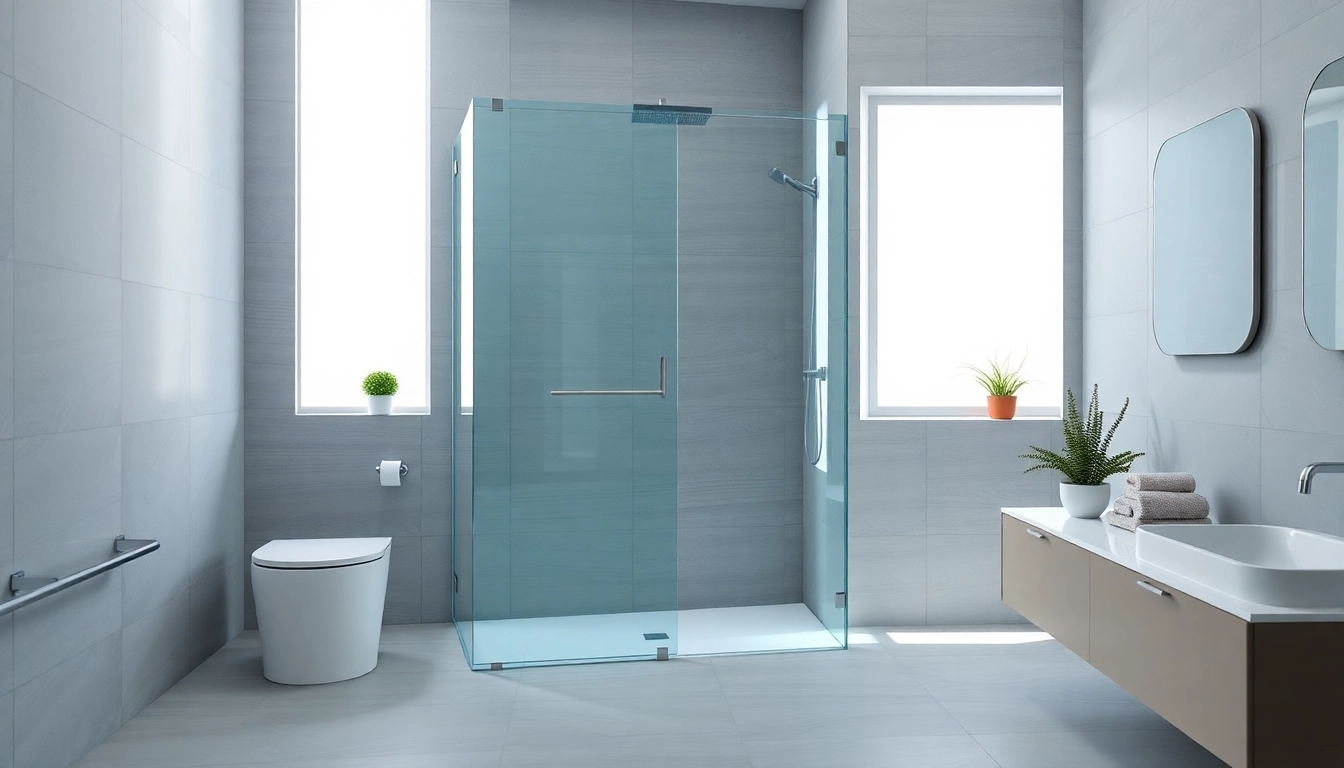
A shower screen sliding door is a type of door mechanism commonly used in modern bathrooms that features two or more panels that slide open and closed to create an entrance to the shower area. Unlike traditional hinged doors, these sliding doors save space and offer a sleek, contemporary look. They primarily consist of glass panels, which can range in transparency and design, suitable for various aesthetic preferences. The incorporation of a shower screen sliding door enhances the bathroom’s overall style while providing functionality.
Why Choose a Shower Screen Sliding Door?
Choosing a shower screen sliding door offers numerous advantages, making it a popular choice among homeowners. First, the sliding mechanism allows for maximized space efficiency, particularly in small bathrooms where every inch counts. This feature eliminates the need for door clearance, which is essential in cramped quarters. Moreover, these doors create a visually appealing barrier that can enhance any bathroom’s design. They are generally easier to clean than traditional shower curtains, offer a more luxurious aesthetic, and can elevate the perceived value of your home.
Types of Shower Screen Sliding Door Materials
Shower screen sliding doors are typically constructed from three main materials: tempered glass, acrylic, and PVC. Each material presents its own set of benefits and limitations:
- Tempered Glass: Known for its durability and resistance to thermal shock, tempered glass is a safety glass that shatters into small, blunt pieces, reducing the risk of injury. It is available in clear, frosted, and patterned finishes.
- Acrylic: A lighter, more cost-effective option compared to glass, acrylic shower doors are less prone to shattering but may scratch more easily. They are available in various styles and colors.
- PVC: PVC doors are often the most budget-friendly and can effectively resist moisture. However, their longevity may not compare to that of glass or acrylic doors.
Designing with Shower Screen Sliding Door
How to Select the Right Style?
Selecting the right style of shower screen sliding door involves consideration of both functionality and aesthetics. Critical factors include the layout of your bathroom, existing fixtures, and personal design preferences. Common styles include frameless, semi-frameless, or fully framed doors. Frameless options provide an elegant, open feel that enhances the perception of space, while framed doors may offer added stability and a more traditional look. Consider contrasting designs that complement the other elements in your bathroom, like vanities or tiles, creating a cohesive and inviting atmosphere.
Color and Finish Options Explained
When it comes to color and finish options for shower screen sliding doors, the choices are diverse. Clear glass is a timeless classic that can complement any color scheme. Frosted glass adds a bit of privacy while still allowing light to filter through, making it particularly useful in shared bathrooms. Additionally, you may find doors available in tinted glass, often in grey or bronze, which can add a touch of sophistication. Furthermore, metal finishes for the frames, such as chrome, brushed nickel, or matte black, can significantly impact the overall aesthetic, ensuring that your shower door aligns with your stylistic vision.
Incorporating Shower Screen Sliding Door in Various Bathroom Styles
Shower screen sliding doors can effortlessly enhance various bathroom styles, from contemporary to more traditional aesthetics. In a modern bathroom, a frameless sliding door can create an open and airy feel, while colorful accents complement a minimalist design. For rustic or traditional spaces, opting for a wooden framed door can offer a warm, inviting touch without compromising on elegance. Even in luxury settings, using high-quality glass and personalized finishes can elevate the entire space to a level of sophistication that’s both practical and alluring.
Installation Insights for Your Shower Screen Sliding Door
Do-It-Yourself vs. Professional Installation
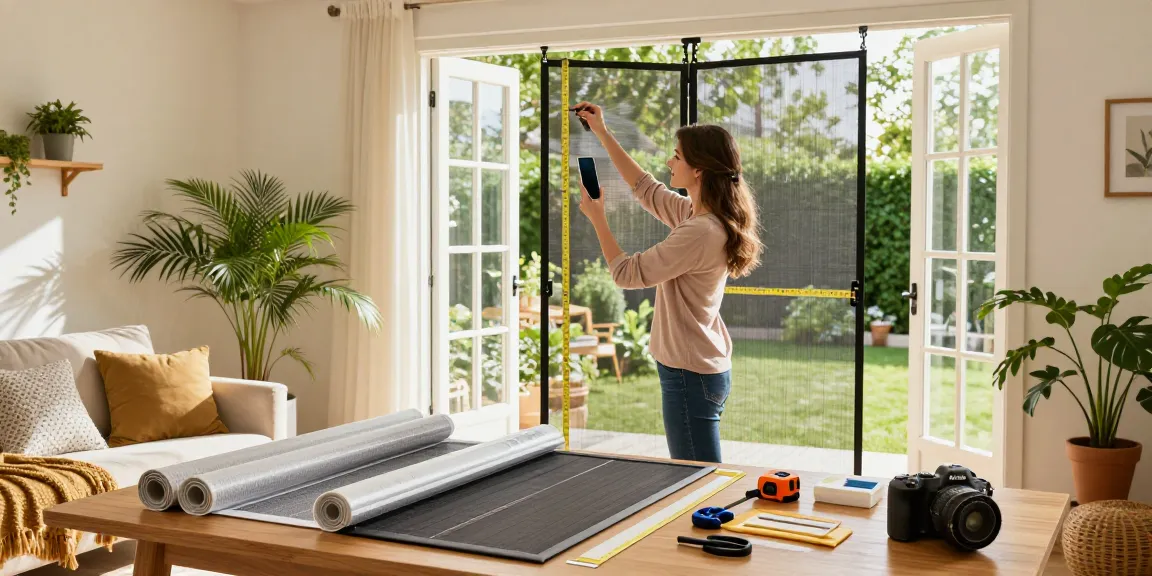
When considering installation, you have two primary options: do it yourself or hire a professional. DIY installation might be appealing for those experienced with home improvement tasks and looking to save money. However, it requires careful measurement and a firm understanding of installation techniques. A professional installation may cost more but ensures that the job is done correctly and safely. Experts will know how to handle unexpected challenges, ensuring the longevity and effectiveness of your shower screen sliding door.
Essential Tools for Installation
If you decide on the DIY route, having the right tools is crucial. Essential tools include a level, drill, screwdriver set, silicone sealant, tape measure, and safety glasses. Additional tools may include a stud finder, a caulking gun, and possibly a tile cutter if you need to adjust any existing tiles. Ensuring you have everything at hand will reduce frustration during installation, helping you to achieve a professional-looking result.
Common Installation Mistakes to Avoid
There are several common mistakes that DIY installers make when fitting a shower screen sliding door. One significant error is poor measurement; incorrect dimensions can lead to gaps that may cause leaks or compromised aesthetics. Failing to use a level can result in misaligned doors, leading to operational problems. Additionally, not applying enough silicone sealant can result in water leakage, while excessive use can create a messy finish. Taking your time to follow detailed installation instructions and double-checking your work can help you avoid these pitfalls.
Maintaining Your Shower Screen Sliding Door
Cleaning Tips for Longevity
To maintain the clarity and durability of your shower screen sliding door, regular cleaning is essential. Use a non-abrasive glass cleaner or a mixture of vinegar and water to clean the glass surfaces. Employ a soft microfiber cloth to avoid scratches. Clean the tracks and rollers regularly to prevent grime build-up that can impede sliding functionality. Additionally, consider using a water-repellent treatment to minimize soap scum and hard water deposits, making future cleaning less labor-intensive.
Dealing with Common Issues
Common issues with shower screen sliding doors include sticky tracks, loose handles, and leaks. For sticky tracks, regular cleaning and lubrication can restore smooth operation. If you notice loose handles, tighten screws as necessary to ensure everything remains secure. To address leaks, identify the source by checking seals and gaskets and replace them when needed. Quick maintenance can significantly extend the life of your shower screen sliding door while improving usability.
When to Replace Your Shower Screen Sliding Door
Replacement of your shower screen sliding door may be necessary if you notice significant damage, like cracks in the glass or rust on metal components. If cleaning no longer restores clarity to the glass or if operational issues (like difficulty sliding) persist despite maintenance, it may be time for a change. Ensuring your shower screen sliding door is in good condition is vital for both functionality and safety in your bathroom.
FAQs About Shower Screen Sliding Door
What is the average cost of a shower screen sliding door?
The cost varies based on materials and size, typically ranging from £200 to £600.
Can shower screen sliding doors fit in small bathrooms?
Yes, they are available in compact sizes suitable for small spaces.
Are there any safety concerns with shower screen sliding doors?
Modern shower screen sliding doors are made from tempered glass to ensure safety.
How do I choose the right size for my shower screen sliding door?
Measure the shower opening space precisely and choose a door that accommodates these dimensions.
Can shower screen sliding doors be customized?
Yes, many manufacturers offer customization options for size, design, and finish.